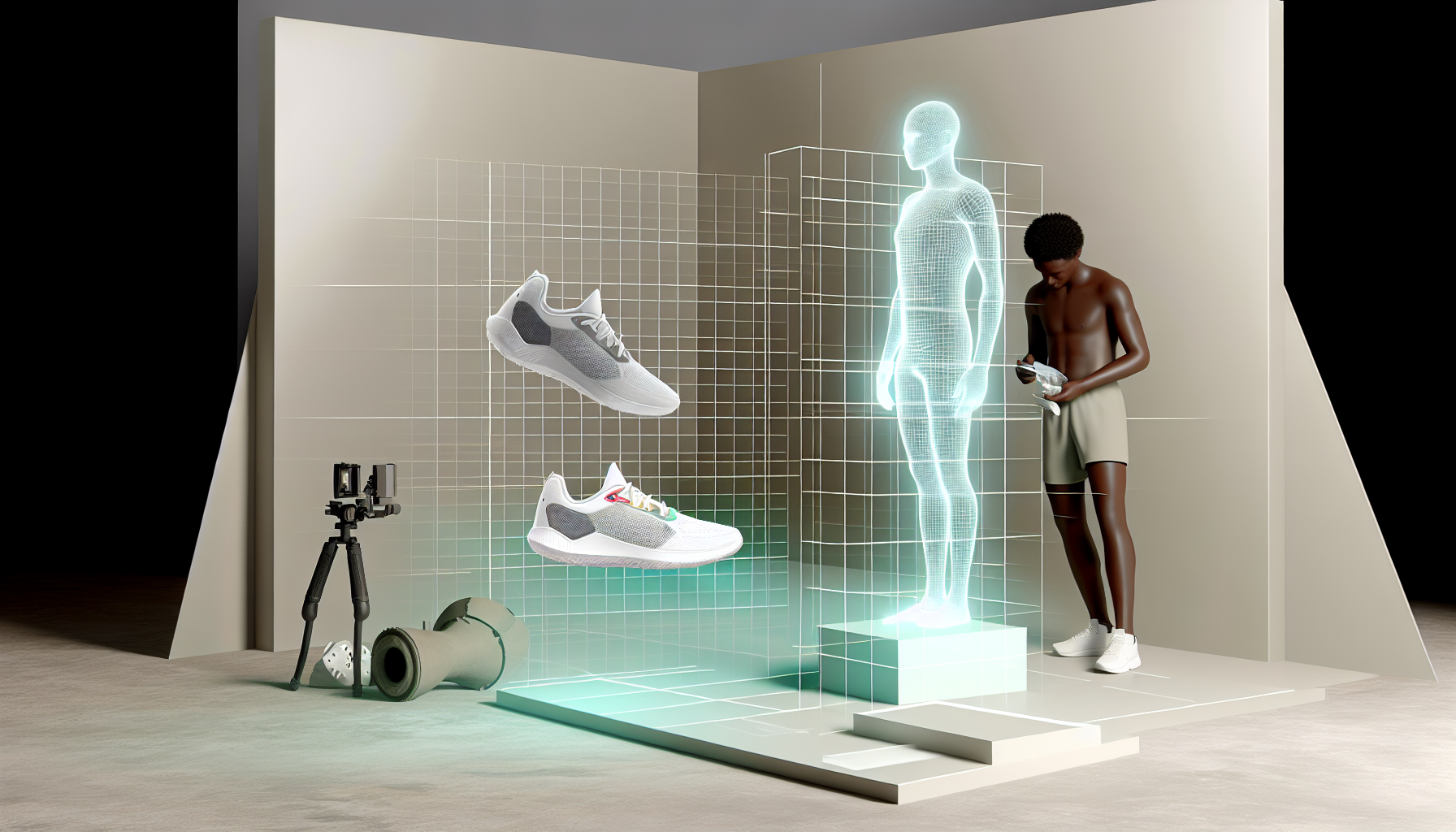
Sports technology refers to a range of cutting-edge innovations designed to enhance athletic performance. From wearables to 3D printing and data analytics, these technologies optimize training, equipment, and recovery processes for athletes worldwide. The impact of sports technology on the sports industry has been transformative, reshaping how athletes train, compete, and recuperate.
The integration of technology in sports is not new, but its scale and sophistication have grown exponentially over the past years. One major development is the use of 3D scanning to design custom sports equipment, ensuring optimal fit and function for athletes. Additionally, sports analytics have revolutionized performance assessments, giving coaches and players insightful data to enhance strategic decisions.
Understanding Sports Technology
Defining the Landscape
At its core, sports technology consists of tools and systems like wearables, sensors, and state-of-the-art materials. These innovations are pivotal in tracking, analyzing, and improving athletic performance both in training and competition. Whether through GPS trackers, heart rate monitors, or smart garments, these technologies provide athletes and coaches with important data that can drive more informed decisions.
Revolutionary Impacts
The implications of sports technology are far-reaching. It has revolutionized how athletes manage injury risks, allowing for a focus on sustainable long-term health. Sophisticated injuries management systems, underpinned by data analytics, help anticipate vulnerabilities and allude to preventive strategies. Furthermore, athletes and coaches can make data-driven adjustments to training regimens or in-game tactics, minimizing risks while maximizing performance.
3D Scanning in Sports
The Mechanics of 3D Scanning
3D scanning is a groundbreaking technology that captures the detailed three-dimensional form of an athlete's body, capturing both shape and motion. By deploying lasers or light, 3D scanning devices create digital replicas that can be utilized to design custom athletic gear that fits precisely and functions effectively.
Applications in Equipment Design
One of the premier applications of 3D scanning in sports is seen in equipment design. Brands utilize this technology to craft shoes that align perfectly with foot size, providing enhanced comfort and performance. Furthermore, 3D scanning offers advancements in protective gear. Helmets and mouthguards created this way not only improve fit but also enhance safety, significantly mitigating the risk of injuries.
Pioneering Injury Prevention
Injury prevention is another area where 3D scanning shows immense potential. By assessing athletes' physical forms, trainers and medical staff can identify potential risk factors for overuse injuries. Motion analysis, facilitated by the intricate data provided by 3D scans, helps in the early detection of imbalances or strains that could culminate in injuries if left uncorrected.
Enhancing Athlete Performance through Technology
The Role of Wearable Technology
Wearable technology has become synonymous with athletic performance enhancement. This category includes fitness trackers, heart rate monitors, and GPS devices. These gadgets provide real-time insights into athletes' metrics such as pace, overall workload, and even sleep patterns.
Smart Clothing and Its Advantages
Smart clothing represents another major leap in sports technology. These garments, often made from innovative materials, offer more than just a snug fit. Compression garments, for instance, have been shown to enhance recovery and improve endurance by optimizing blood flow and reducing muscle fatigue.
Case Studies of Technological Integration
The integration of these technologies into professional sports has yielded remarkable results. Motion capture systems afford experts insights into bodily kinetics, crucial for refining techniques in high-stakes athletics. These technologies allow athletes to preemptively address technique flaws, thereby minimizing injury risks and elevating their competitive edge.
Innovations in Equipment Design
Precision through 3D Printing and Scanning
The intersection of sports technology and equipment design heralds a new era of precision and personalization. By employing 3D scanning and printing technologies, manufacturers can craft intricate designs for shoes, helmets, and pads that conform precisely to the athlete's physique.
Advances in Footwear Technology
Footwear technology reflects these advancements profoundly. Brands now leverage 3D printing to resolve issues with foot mechanics and sprinting capacities. Technologies such as Advanced Footwear Technology report notable improvements in speed and agility metrics.
Environmental and Economic Gains
Moreover, the economic and environmental angles of innovations in equipment design cannot be overlooked. Customization efficiency reduces production costs while ensuring materials are used wisely, cutting down on waste. Furthermore, sustainable materials are now being incorporated into designs, both an ethical choice and a practical one.
The Role of Sports Analytics
Understanding Sports Analytics
Sports analytics plays a pivotal role in modern sports, providing detailed data insights crucial for performance evaluation and strategy development. It involves utilizing complex algorithms and systems to process data from sensors and wearables.
Leveraging Data for Strategic Decisions
The integration of analytics has a pronounced impact on coaching. With access to this vast array of data, coaches can personalize training programs for athletes, adjusting their workload and techniques as necessary.
Applications of AI in Sports Analytics
AI has penetrated the sphere of sports analytics, further deepening its impact. Artificial intelligence algorithms can predict injuries by identifying patterns within an athlete’s data history. AI contributes significantly to recovery optimization by synthesizing vast amounts of data concerning sleep, nutrition, and stress management.
Future Trends and Predictions
The Age of AI and Machine Learning
As we peer into the future, we can expect AI and machine learning to become integral to sports technology. These tools promise predictive insights into athlete performance and injuries, areas where real-time responses can significantly impact long-term success.
Virtual Reality and Wearables
Virtual reality (VR) is another exciting frontier. VR offers immersive training experiences that allow athletes to hone their skills without physical risk. Meanwhile, advanced wearable technology will offer even more holistic monitoring, capturing mental as well as physical metrics in athletes.
The Transformative Power of 3D Printing
3D printing continues to advance, allowing for fully customizable equipment that is entirely tailored to individual needs. This evolution will significantly impact sports equipment design, offering athletes gear that blends seamlessly with their unique physiological requirements.
In summary, sports technology is revolutionizing the landscape of athletics. Through innovations in equipment design, real-time data utilization, injury prevention, and analytics, athletes are empowered to reach new heights in their performance. Wearables, 3D printing, and AI are just a few examples of how technology is transforming sports, equipping athletes and teams with the tools necessary for achieving peak results.
The transformative potential of sports technology is immense, offering benefits that extend beyond performance enhancement, impacting everything from safety and sustainability to economic efficiency. It's a field in rapid evolution, and staying abreast of these advancements will no doubt provide continued benefits.